-
- News
- Login
- Contact
-
Follow us on
LinkedIn - Sign up for newsletter

Follow us on
LinkedIn
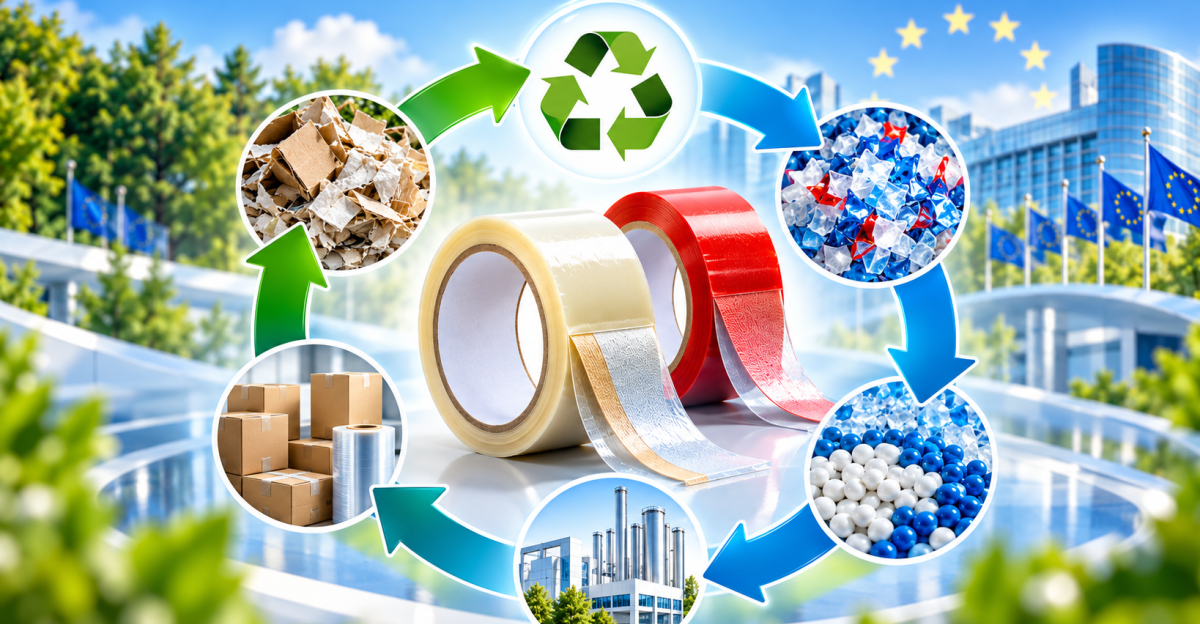
Industry coalition calls for harmonised rules, transparent recycling funding and simpler compliance under the forthcoming Circular Economy Act.
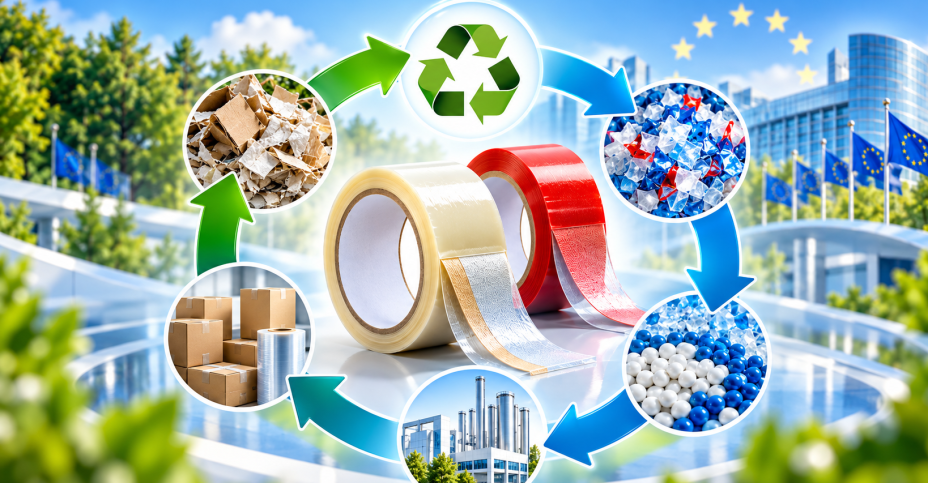
Europe's fragmented extended producer responsibility (EPR) systems are creating administrative barriers and holding back the market for secondary raw materials, according to a broad coalition of European industry associations. Afera is among 46 signatories to a joint position paper published on 1 October 2026, calling on the European Commission to use its forthcoming Circular Economy Act to establish a more harmonised, transparent and enforceable E.U. framework for EPR.
The paper, A Circular Economy Act delivering a strong E.U. market for secondary raw materials, brings together associations representing packaging, chemicals, retail, consumer goods and other sectors. Its central argument is that differing national requirements make compliance unnecessarily complex, particularly for companies operating across several Member States, while limiting investment and the development of a functioning European market for recovered materials.
From fragmented rules to a common framework
The signatories propose a directly applicable E.U. regulation establishing common EPR requirements across relevant waste streams, complemented by sector-specific rules. Their six priorities centre on harmonised legislation, producer-led governance, greater financial transparency, earmarked EPR contributions, simpler registration and reporting, and stronger separate collection systems.
A central demand is that producers retain responsibility for managing EPR schemes under appropriate public oversight, with contributions directed towards the collection, sorting and recycling services they are intended to finance. The coalition also calls for standardised reporting on how these funds are spent, safeguards against cross-subsidisation between waste streams and deductions for revenues generated through recovered materials.
On administrative requirements, the paper advocates simpler, harmonised registration procedures and an end to mandatory national authorised representatives for producers already established within the E.U. The aim is to reduce duplication without weakening accountability or enforcement.
What this means for adhesive tape companies
For the European adhesive tape value chain, EPR is already a practical consideration under the Packaging and Packaging Waste Regulation (PPWR), which began applying on 12 August 2026. Tape manufacturers may act as suppliers of packaging components, while also carrying producer responsibilities for the packaging in which their own products are placed on the market.
Companies operating across several E.U. markets can face different national registration, reporting and financing arrangements. Greater harmonisation could reduce this administrative burden, particularly for smaller manufacturers, converters and distributors. More transparent EPR financing and stronger recycling infrastructure could also support the wider industry's efforts to improve packaging recyclability and access to secondary raw materials.
The issue is already moving through the legislative process. On 21 October, the Council of the E.U. adopted a negotiating position supporting limited relief from cross-border authorised-representative requirements for E.U.-established packaging producers placing less than one tonne of packaging annually on another Member State's market. The measure is not yet law and falls short of the broader simplification sought by the coalition.
By co-signing the position paper, Afera adds the adhesive tape industry's voice to the call for EPR rules that support circularity without creating unnecessary barriers to doing business across Europe.
Further information